

Introduction: Mumbai’s Cultural Gem
Mumbai, a city known for its skyscrapers and bustling streets, also houses some of India’s most iconic heritage landmarks. Among them, the Prince of Wales Museum in Mumbai, officially renamed Chhatrapati Shivaji Maharaj Vastu Sangrahalaya (CSMVS), stands as a cultural beacon. Built during the colonial era, this museum reflects the city’s rich blend of history, art, and architecture. With an extensive collection spanning centuries, it attracts scholars, travelers, and art enthusiasts from across the globe. In this blog, we’ll uncover the legacy of this iconic museum, exploring its origins, architectural brilliance, and priceless exhibits that make it a must-visit destination in Mumbai.
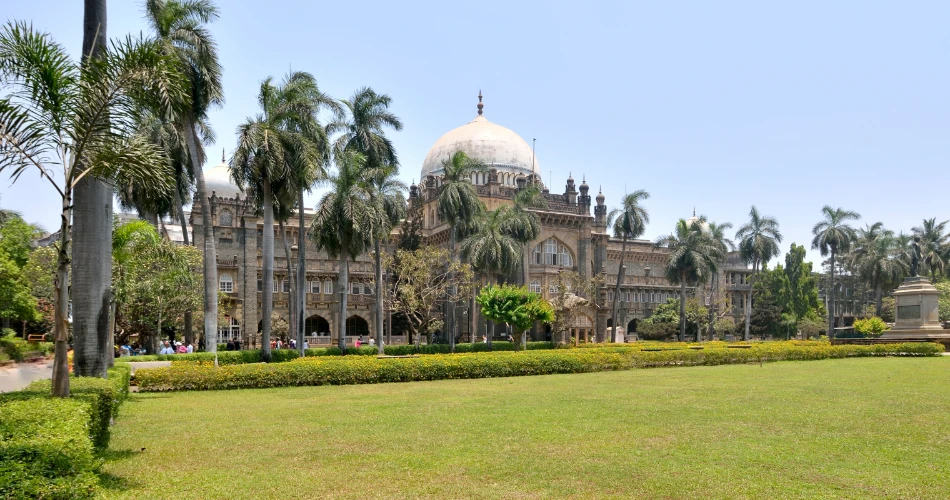
The Historical Background of Prince of Wales Museum
The museum was conceived in the early 20th century to commemorate the visit of Prince George V, the Prince of Wales, to India in 1905. Its foundation stone was laid in 1905, and the museum officially opened to the public in 1922. During the British colonial period, the museum served as a repository of India’s artistic and cultural heritage. Over time, it evolved into one of the most prominent museums in Asia.
Renamed Chhatrapati Shivaji Maharaj Vastu Sangrahalaya in 1998, the institution symbolizes India’s effort to reclaim its heritage while honoring the Maratha king Shivaji Maharaj. Today, it is not just a monument of colonial history but also a testament to India’s cultural pride.
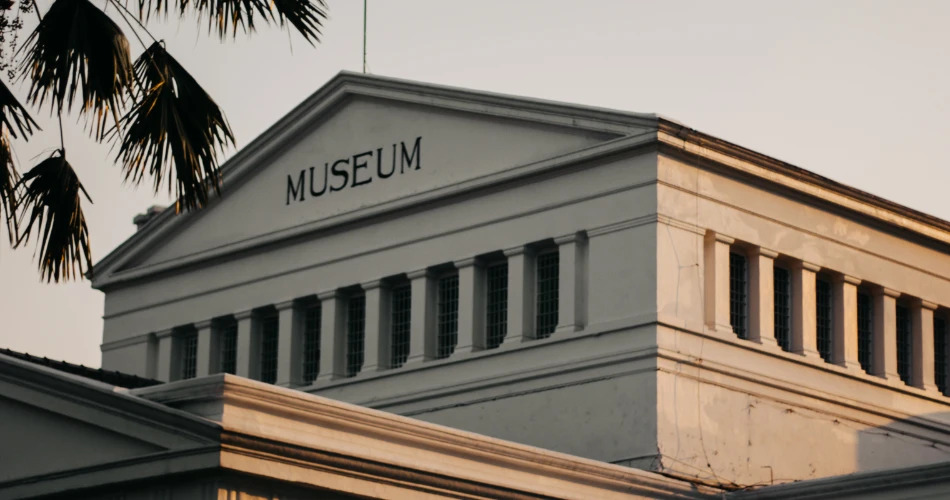
Architectural Marvel: Indo-Saracenic Splendor
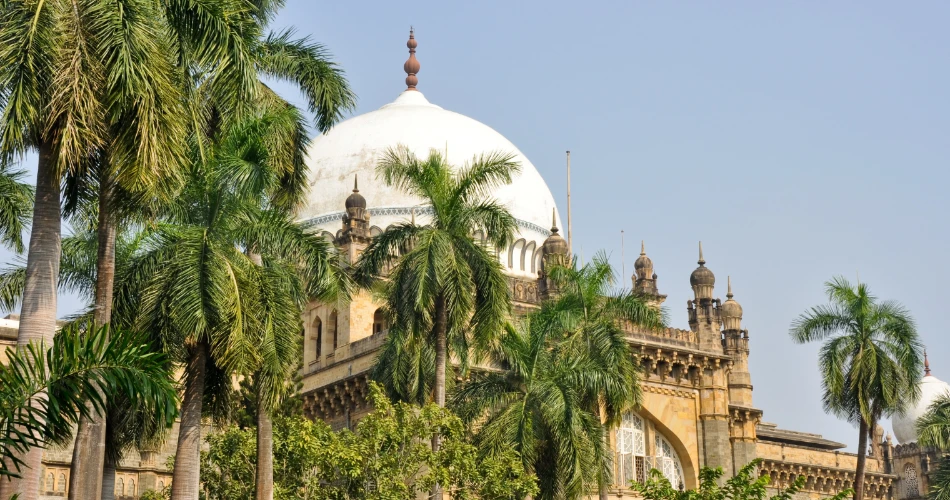
One of the most captivating aspects of the Prince of Wales Museum is its Indo-Saracenic architecture. Designed by architect George Wittet, who also created Mumbai’s iconic Gateway of India, the museum blends Islamic, Hindu, and Gothic revival styles. Its grand central dome, reminiscent of Mughal design, is adorned with intricate detailing, while the façade features stone carvings inspired by Indian temples.
The lush gardens surrounding the building add to its regal charm, making it a serene escape amidst Mumbai’s urban chaos. Inside, high ceilings, arched doorways, and spacious galleries provide an inviting atmosphere for visitors to immerse themselves in history.
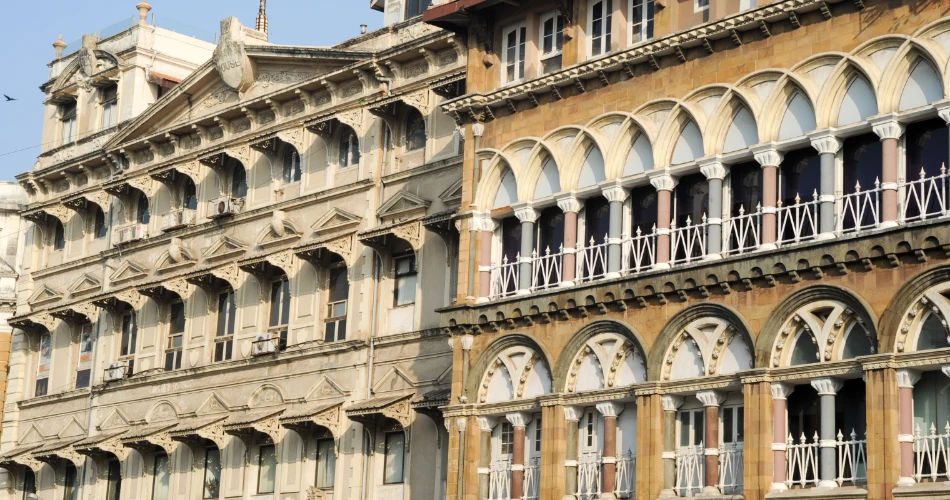
Rich Collections: A Treasure Trove of Art and Antiquities
The Prince of Wales Museum houses an impressive collection of over 70,000 artifacts that showcase India’s diverse cultural heritage alongside global influences. Its treasures are thoughtfully organized into three main sections: Art, Archaeology, and Natural History.
Art Section: This gallery highlights miniature paintings, decorative arts, and sculptures from India, Persia, and Europe. Rare Mughal and Rajasthani miniatures, along with finely carved ivory and metalwork, reflect the artistic brilliance of different eras.
Archaeology Section: A journey into ancient India, this wing features Indus Valley relics, ancient coins, terracotta figures, and Buddhist artifacts. These pieces connect visitors with early civilizations and the cultural foundations of the subcontinent.
Natural History Section: For science and nature lovers, this section displays taxidermy specimens, fossils, and geological treasures. From majestic animals to rare minerals, it offers a fascinating glimpse into India’s biodiversity and natural history.
Together, these collections make the museum a living encyclopedia of art, history, and science, offering visitors of all ages a rich educational experience.
Indian Art and Sculpture Highlights
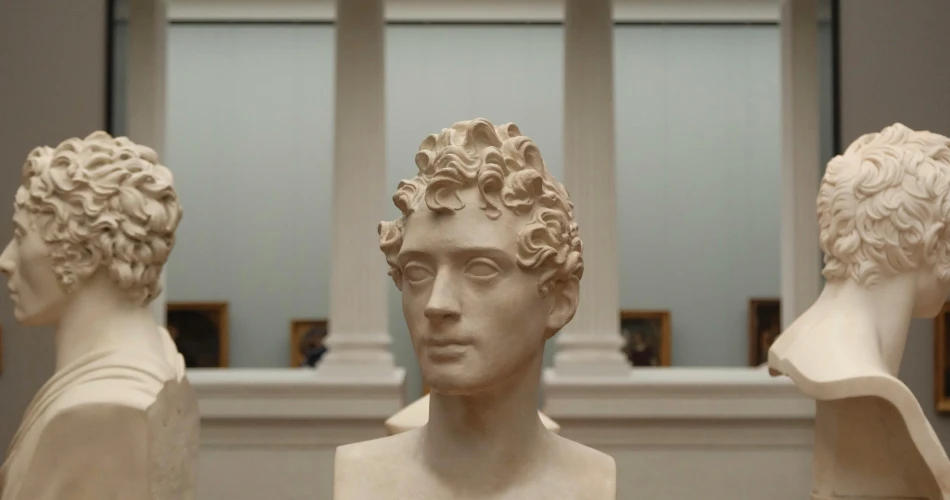
Among the museum’s prized possessions are its Indian sculptures and miniature paintings. The stone carvings from Elephanta Caves, the bronze figures from the Chola dynasty, and exquisite Mughal miniatures are particularly noteworthy.
These works of art provide a narrative of India’s cultural evolution, showcasing the craftsmanship and spiritual symbolism embedded in traditional Indian art. For art enthusiasts, this section is a visual journey through centuries of creativity and devotion.
Natural History Gallery: Wonders of Science and Nature
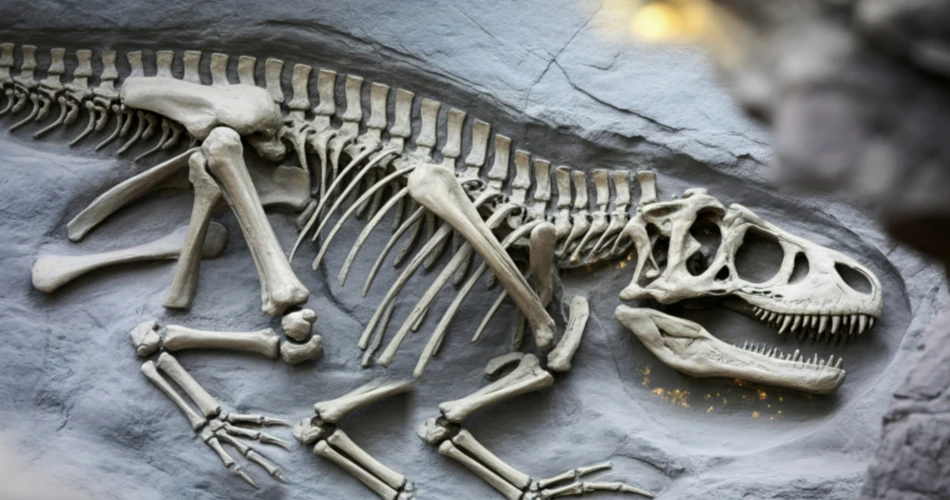
The museum’s Natural History wing appeals to science lovers and children alike. It features displays of taxidermy animals, including tigers, birds, and reptiles, alongside exhibits on geology and paleontology. Fossils and mineral collections highlight the scientific richness of the Indian subcontinent.
This section not only educates visitors about biodiversity but also emphasizes the importance of conservation and environmental awareness. For families visiting the museum, this gallery is both entertaining and informative.
Educational Role and Cultural Events
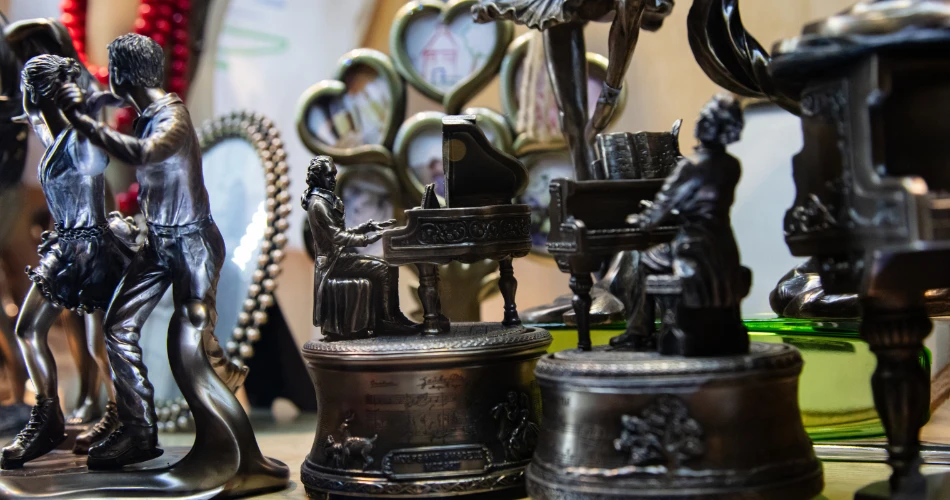
Beyond its exhibits, the Prince of Wales Museum plays an active role in educating the public. It regularly hosts workshops, lectures, art appreciation courses, and children’s programs to encourage learning outside classrooms. Special exhibitions often feature collaborations with international museums, bringing global culture to Mumbai.
The museum also celebrates cultural festivals, showcasing music, dance, and art performances that bring history to life. Through these initiatives, it functions as more than just a museum—it’s a vibrant cultural hub.
Visiting the Prince of Wales Museum Today
Located in the heart of South Mumbai near the Gateway of India, the museum is easily accessible by road and rail. It offers guided tours, audio guides, and multilingual resources for tourists. The serene garden, museum shop, and café make it a pleasant day trip for locals and travelers alike.
Timings usually range from 10:15 AM to 6:00 PM, with entry tickets priced differently for Indian and foreign visitors. With its extensive offerings, a visit can easily take half a day or more, especially for history and art lovers.

Conclusion: Preserving Mumbai’s Heritage
The Prince of Wales Museum Mumbai, now known as Chhatrapati Shivaji Maharaj Vastu Sangrahalaya, is far more than a repository of artifacts—it serves as a living bridge between India’s rich past and its dynamic present. With its stunning Indo-Saracenic architecture, carefully curated collections spanning art, archaeology, and natural history, and engaging cultural programs, the museum offers a comprehensive glimpse into Mumbai’s heritage. A visit here not only provides an educational journey through centuries of history but also allows one to immerse in the city’s cultural essence, making it an essential stop for travelers and locals alike.