

Pengenalan: Di Mana Mumbai Menjadi Kanvas
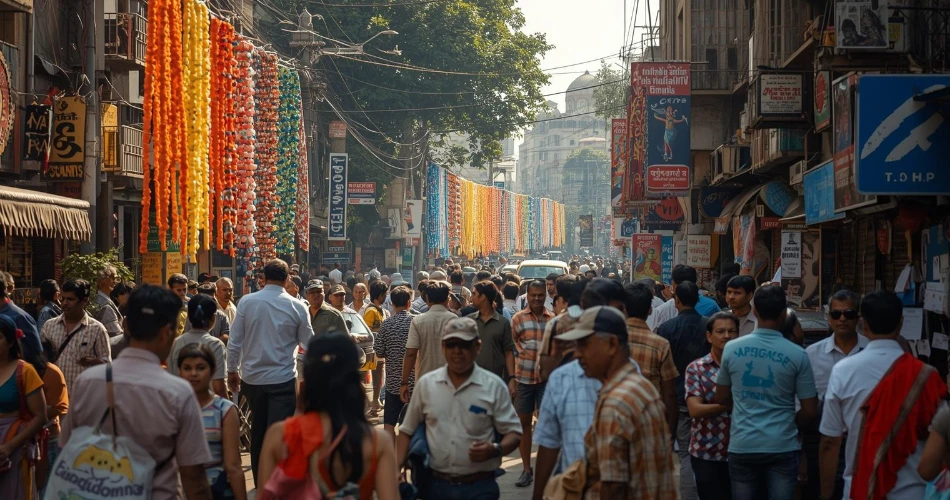
Setiap tahun, Mumbai berubah menjadi galeri terbuka gergasi dengan kedatangan Festival Seni Kala Ghoda. Acara ikonik ini, yang diadakan di daerah bersejarah Kala Ghoda, lebih daripada sekadar pameran seni—ia adalah perayaan budaya, warisan, dan kreativiti yang meriah yang menarik orang dari pelbagai lapisan masyarakat.
Selama sembilan hari, artis, penghibur, dan pengunjung dari seluruh dunia berkumpul untuk mengalami gabungan seni tradisional dan kontemporari dalam satu ruang dinamik. Jalan-jalan dipenuhi dengan pemasangan imaginatif, sementara pentas bergema dengan muzik, teater, dan tarian. Malah udara seolah-olah dipenuhi dengan kreativiti apabila bengkel, gerai makanan, dan bacaan buku melimpah ke kawasan kejiranan. Dari subuh hingga malam, setiap sudut Kala Ghoda meletup dengan warna, tenaga, dan imaginasi, mengubah pemandangan bandar yang biasa menjadi karya agung yang hidup dan bernyawa.
Asal Usul Festival Seni Kala Ghoda
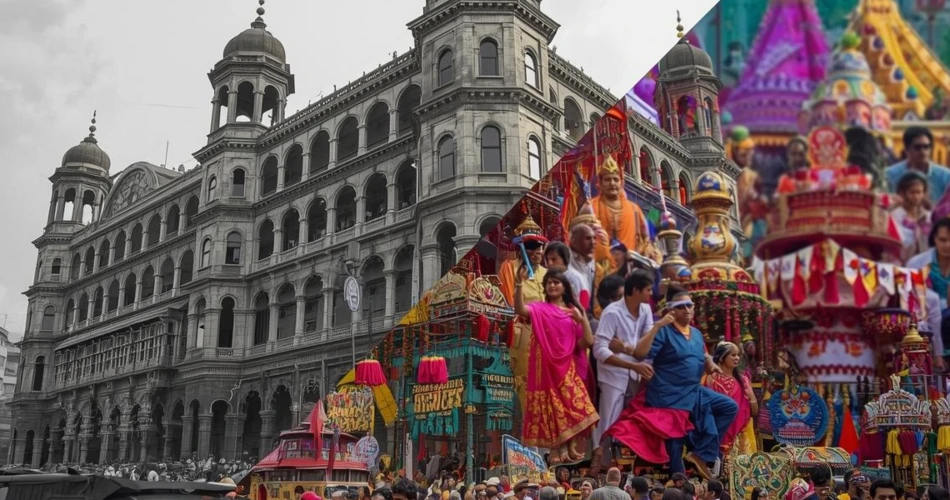
Festival Seni Kala Ghoda bermula pada tahun 1999 dengan tujuan untuk memelihara dan merayakan warisan budaya Mumbai. Daerah itu sendiri, dinamakan “Kala Ghoda” yang bermaksud “Kuda Hitam” selepas sebuah patung bersejarah yang pernah diletakkan di sana, telah lama menjadi pusat seni dan budaya bandar. Festival ini bermula sebagai inisiatif kecil untuk mempamerkan artis tempatan tetapi dengan cepat berkembang menjadi salah satu acara multikultural terbesar di India. Selama bertahun-tahun, ia telah memperoleh pengiktirafan antarabangsa, mengumpulkan artis dari pelbagai bidang termasuk seni halus, sastera, filem, tarian, dan seni kulinari.
Asal usulnya juga terletak pada visi—untuk menjadikan seni boleh diakses oleh semua orang. Daripada mengehadkan kreativiti kepada galeri, festival ini melimpah ke jalan-jalan, membolehkan penduduk tempatan dan pelancong untuk terlibat secara langsung dengan seni. Aksesibiliti ini telah menjadi asas kepada popularitinya yang semakin meningkat.
Pemasangan Seni Yang Mendefinisikan Semula Ruang Awam
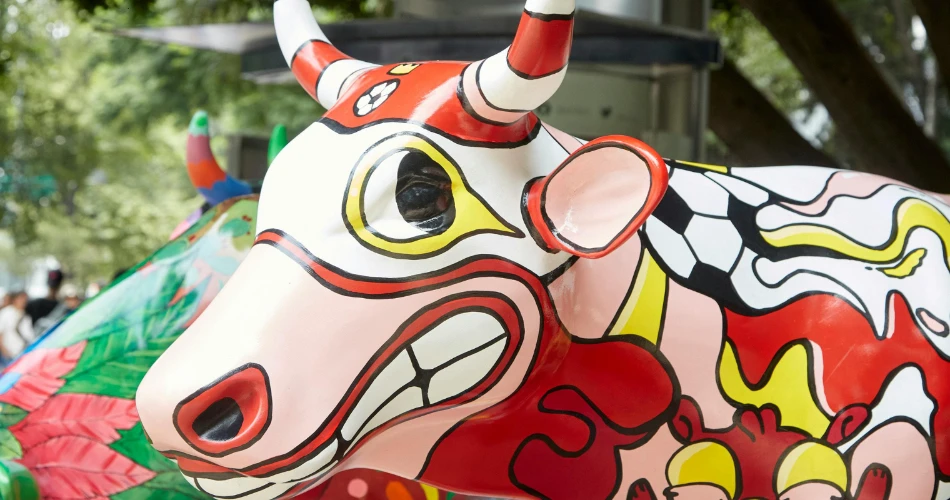
Inti daripada Festival Seni Kala Ghoda terletak pada pemasangan seninya, di mana ruang awam yang biasa diubah menjadi karya seni. Jalan, trotoar, dan bangunan menjadi kanvas untuk patung besar, projek digital, pameran interaktif, dan paparan mesra alam. Banyak pemasangan menyoroti isu sosial seperti kelestarian, perubahan iklim, kesetaraan gender, dan kesihatan mental, menjadikannya bukan sahaja menarik secara visual tetapi juga mencetuskan pemikiran.
Pengunjung sering mendapati diri mereka berhenti di setiap sudut, mengambil gambar dan merenungkan mesej yang lebih mendalam di sebalik seni tersebut. Perpaduan estetika dan kesedaran ini menjadikan festival ini unik berbanding dengan pameran seni tradisional. Pemasangan yang sementara tetapi memberi impak ini mendefinisikan semula cara kita berinteraksi dengan ruang awam.
Sepadu Budaya: Muzik, Tarian, dan Teater
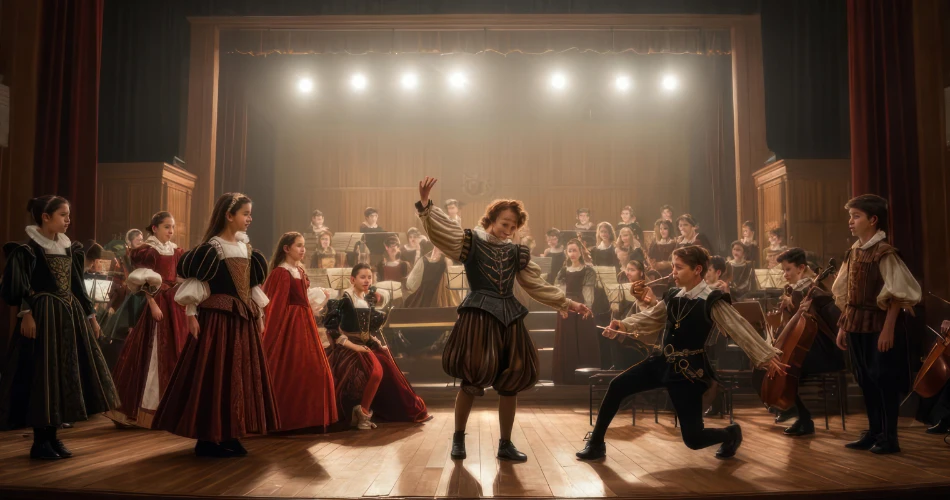
Di luar seni visual, Festival Seni Kala Ghoda adalah pentas besar untuk seni pertunjukan. Malam-malam menjadi hidup dengan konsert muzik yang penuh jiwa, pertunjukan tarian kontemporari, dan persembahan teater eksperimen. Dari recital sitar klasik India hingga aksi jazz dan fusion Barat, kepelbagaian persembahan mencerminkan semangat multikultural Mumbai.
Pencinta tarian dapat menyaksikan segala-galanya dari Bharatnatyam dan Kathak hingga hip-hop dan koreografi moden. Produksi teater, yang sering diadakan di pentas terbuka, menangani isu-isu kontemporari atau mentafsir semula karya klasik. Kepelbagaian budaya ini menjadikan festival bukan sahaja satu keindahan visual tetapi juga pengalaman seni yang mendalam bagi setiap deria.
Sastera dan Penceritaan di Bawah Langit Terbuka
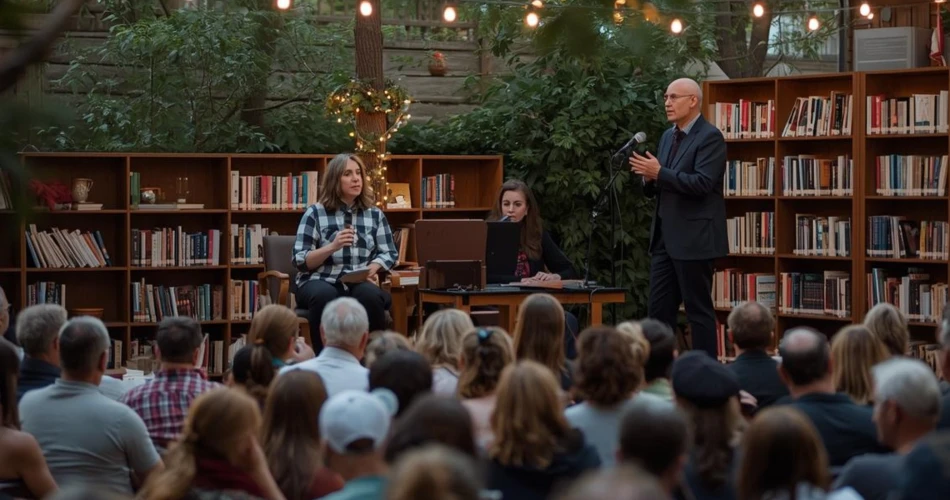
Salah satu aspek yang paling dihargai dalam Festival Seni Kala Ghoda adalah bahagian sasteranya. Penulis, penyair, dan pencerita dari seluruh India dan luar negara mengambil bahagian dalam perbincangan panel, bacaan puisi, dan sesi penceritaan. Pelancaran buku oleh penulis baru dan yang sudah established menarik perhatian pencinta buku, sementara bengkel tentang penulisan dan penerbitan memberi inspirasi kepada pencerita yang bercita-cita.
Seni Kuliner: Jamuan untuk Deria
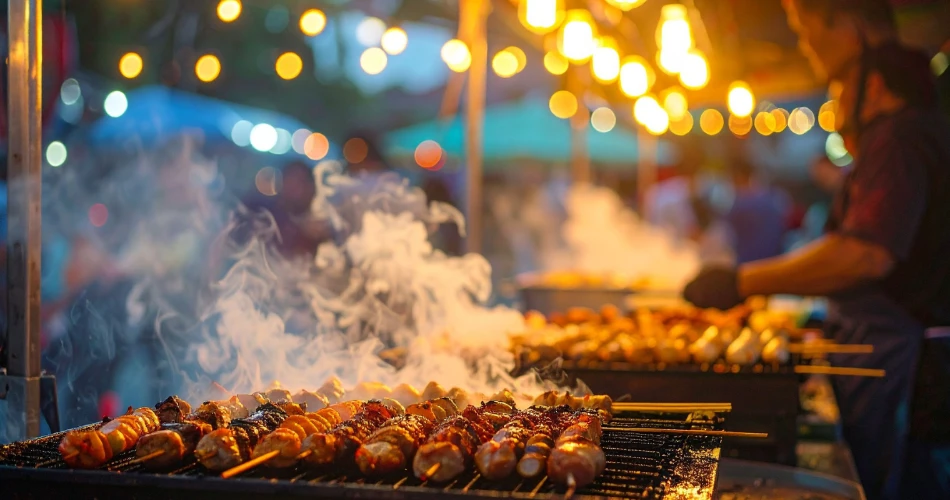
Festival Seni Kala Ghoda juga merupakan syurga bagi pencinta makanan. Seni kuliner merupakan bahagian penting dalam perayaan ini, dengan gerai yang menyajikan segalanya dari makanan ringan tradisional Maharashtrian hingga makanan jalanan global. Koki gourmet mempamerkan hidangan gabungan, manakala jenama tempatan memperkenalkan produk artisanal. Bengkel makanan dan demonstrasi memasak secara langsung menjadikan pengalaman ini interaktif dan penuh rasa.
Bahagian makanan bukan sekadar tentang keseronokan; ia meraikan kepelbagaian kuliner India sambil mempromosikan amalan pemakanan yang lestari. Pengunjung pulang bukan sahaja dengan kenangan seni tetapi juga dengan rasa budaya makanan Mumbai yang sedang berkembang.
Mengapa Kala Ghoda Penting untuk Identiti Mumbai
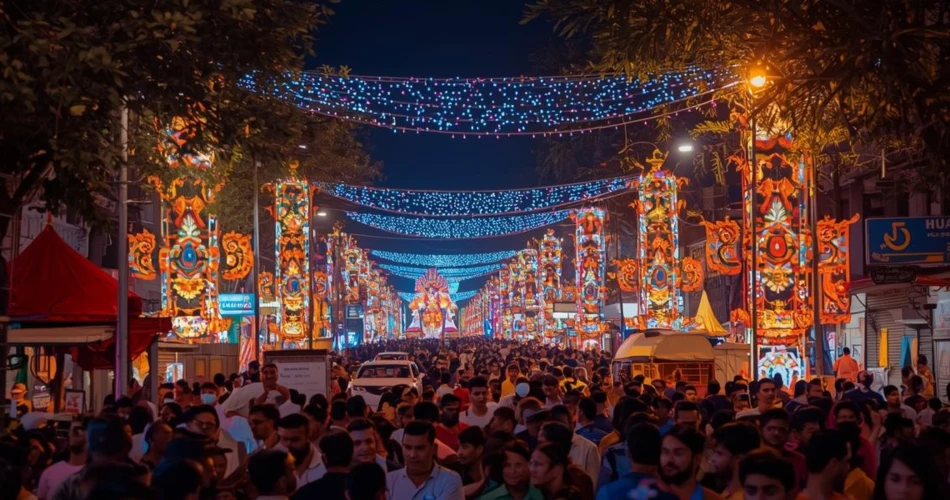
Festival Seni Kala Ghoda telah menjadi simbol identiti Mumbai sebagai pusat kosmopolitan. Ia menghubungkan warisan era kolonial bandar dengan seni kreatif kontemporari. Bagi penduduk tempatan, ia adalah peringatan tahunan tentang ketahanan dan keceriaan Mumbai; bagi pelancong, ia adalah tingkap ke dalam jiwa seni India.
Selain itu, festival ini meningkatkan ekonomi tempatan, menyokong pengrajin, penghibur, dan perniagaan kecil. Dengan menjadikan seni awam dan percuma, ia mendemokrasikan kreativiti—siapa sahaja boleh mengalaminya tanpa halangan. Dalam bandar yang bergerak pantas seperti Mumbai, Kala Ghoda menawarkan satu jeda, satu momen untuk merenung, dan ruang untuk merayakan budaya bersama.
Perancangan Lawatan Anda ke Festival Seni Kala Ghoda
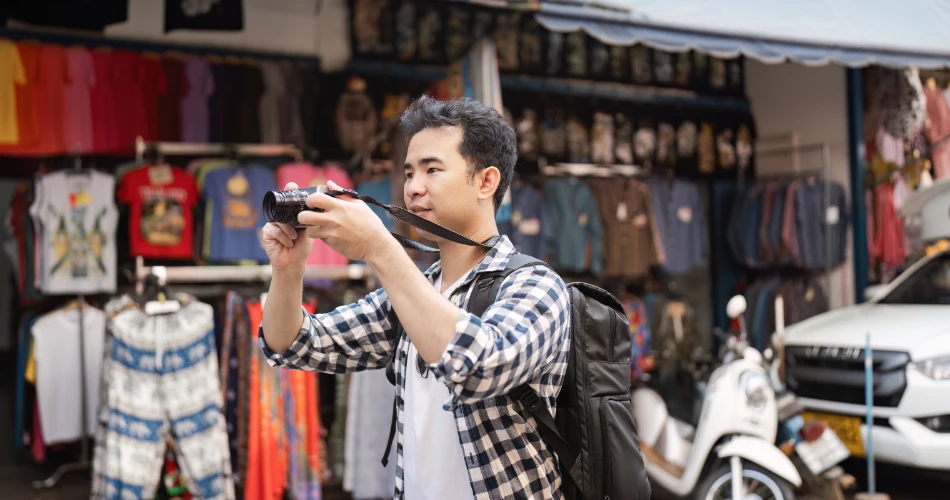
Jika anda merancang untuk hadir, masa adalah kunci—Festival Seni Kala Ghoda biasanya diadakan pada bulan Februari, berlangsung selama kira-kira sembilan hari. Masuk adalah percuma, menjadikannya dapat diakses oleh semua. Oleh kerana festival ini menarik ribuan pengunjung setiap hari, adalah lebih baik untuk merancang lebih awal. Pakailah kasut yang selesa untuk berjalan, bawa kamera, dan pastikan anda kekal terhidrat semasa bergerak melalui jalan-jalan yang meriah.
Tarikan berhampiran seperti Galeri Seni Jehangir, Chhatrapati Shivaji Maharaj Vastu Sangrahalaya (dahulu Muzium Prince of Wales), dan Perpustakaan David Sassoon menambah kedalaman kepada lawatan anda. Sama ada anda seorang peminat seni, pencinta makanan, penggemar buku, atau hanya ingin tahu, Kala Ghoda menjanjikan perjalanan budaya yang tidak dapat dilupakan.
Kesimpulan: Apabila Jalan Menjadi Cerita
Festival Seni Kala Ghoda lebih daripada sekadar acara—ia adalah tempat di mana jalan-jalan Mumbai berubah menjadi galeri hidup cerita. Setiap pemasangan, persembahan, dan bengkel mencerminkan gabungan unik warisan, modeniti, dan aktivisme, membawa seni lebih dekat kepada rakyat.
Keterangkuman menjadikannya istimewa—artis, pelajar, penduduk tempatan, dan pelancong semua berkongsi ruang yang sama, membuktikan bahawa kreativiti milik semua orang. Bagi Mumbaikars, ia adalah tradisi yang dihargai; bagi pengunjung, ia adalah tingkap autentik ke dalam jiwa kota yang berwarna-warni.
Jika anda belum mengalaminya lagi, tambahkan Festival Seni Kala Ghoda ke dalam senarai perjalanan anda. Sama ada anda seorang artis, penjelajah, atau pelancong, ia adalah peringatan bahawa cerita-cerita yang paling berkuasa sering berlaku di jalan-jalan itu sendiri.